GFCI protection where water is near and AFCI protection for the living spaces — as receptacles or breakers, for homes wired before either existed across Portland, Oregon City, Tualatin, and surrounding communities.
These are two different kinds of protection, and most older Portland houses have little of either. A ground-fault circuit interrupter protects people. It watches the current going out and coming back on a circuit, and if some of it is leaking through a person to ground it cuts the power almost instantly, which is why it goes wherever water is near. An arc-fault circuit interrupter protects the house. It listens for the electrical signature of arcing in wiring, the kind that starts fires inside walls, and it covers most living spaces.
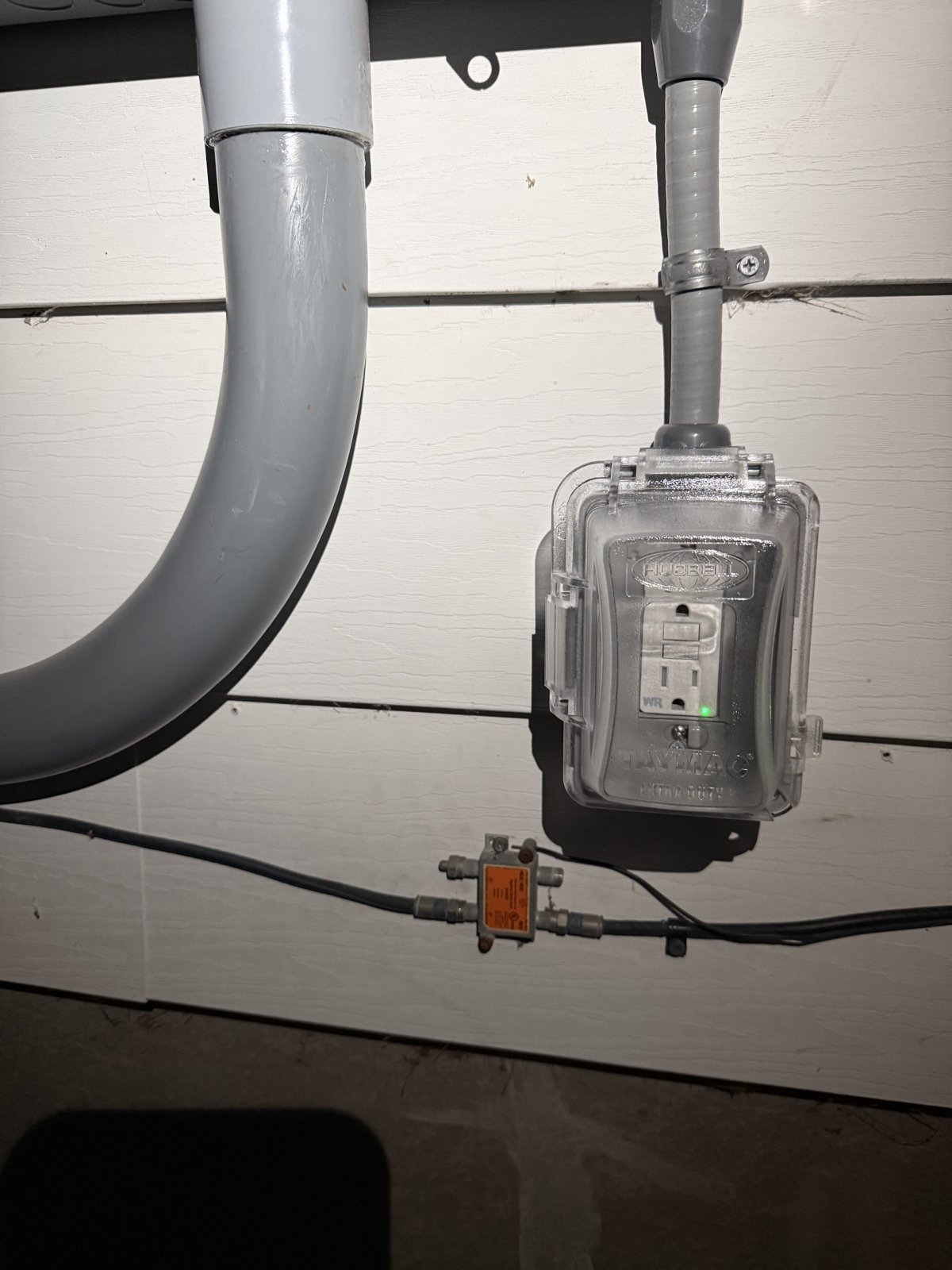
Either one can live in two places: in the outlet with the test and reset buttons, or as a breaker in the panel. Older homes need both kinds of protection added, and the right mix depends on the house: how the circuits are laid out, whether the panel has room, and whether the wiring is grounded. A protected receptacle can also give shock protection on an ungrounded two-slot circuit, which is why it is a common answer in houses built before 1940 that still have their original outlets. Where protection is required is set by the code in force when the work is done, not when the house was built; Oregon's 2026 electrical code is the edition now in force.
The work itself is quick per device but it has to be right: a ground-fault device wired backwards, with line and load swapped, protects nothing downstream. We check each location, choose receptacle or breaker, install and trip-test it, and label what protects what so the next person is not guessing. Swapping a device like for like is a small job; adding circuits or changing the panel means a permit, which we pull.