A dedicated 240-volt GFCI-protected circuit, a disconnect within sight of the tub and bonding of the metal parts. The power ready before the tub is filled, across Portland, Sherwood, Happy Valley, and surrounding communities.
A hot tub is a large 240-volt load sitting in water, which is why its wiring has more rules than almost anything else in a house. It needs a dedicated circuit sized to the manufacturer's nameplate, GFCI protection on that circuit, and a disconnect you can see from the tub but that sits a set distance away, so nobody reaches for it from the water. The metal parts — the frame, the pump motor and any metal near the water — are bonded together so no voltage difference can exist between them and a wet hand. A hot tub electrician's job is getting all four right before anyone gets in.
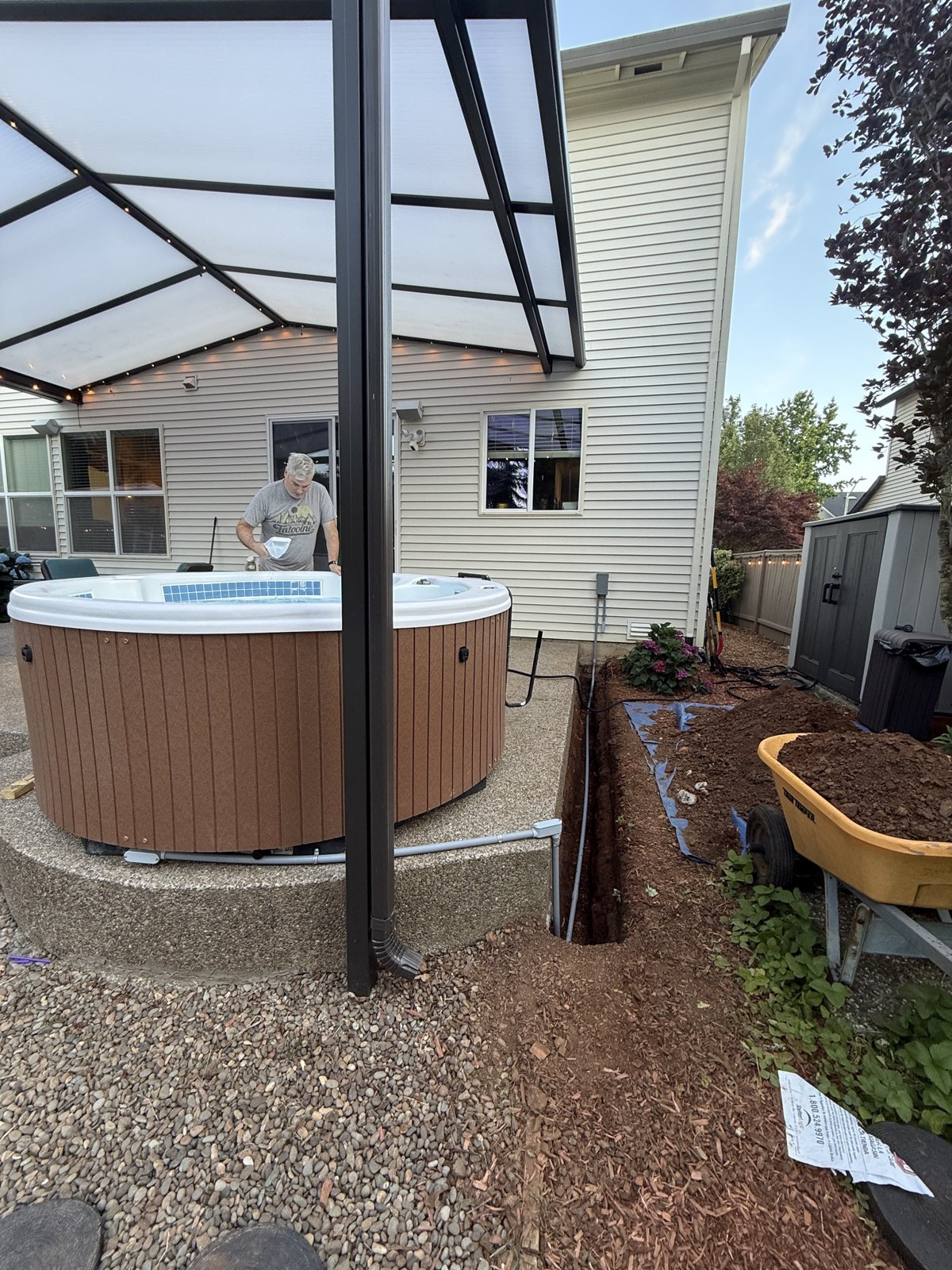
There are two ways to feed it. The circuit can run straight from the main panel on a GFCI breaker to the disconnect at the tub. Or a small spa panel goes in near the tub, fed from the main panel, holding the GFCI breaker and doubling as the disconnect. Many Portland spas go onto a deck or patio a long way from the panel, so the route — trench, conduit, along the house — matters as much as the breaker. We walk it with you before the estimate.
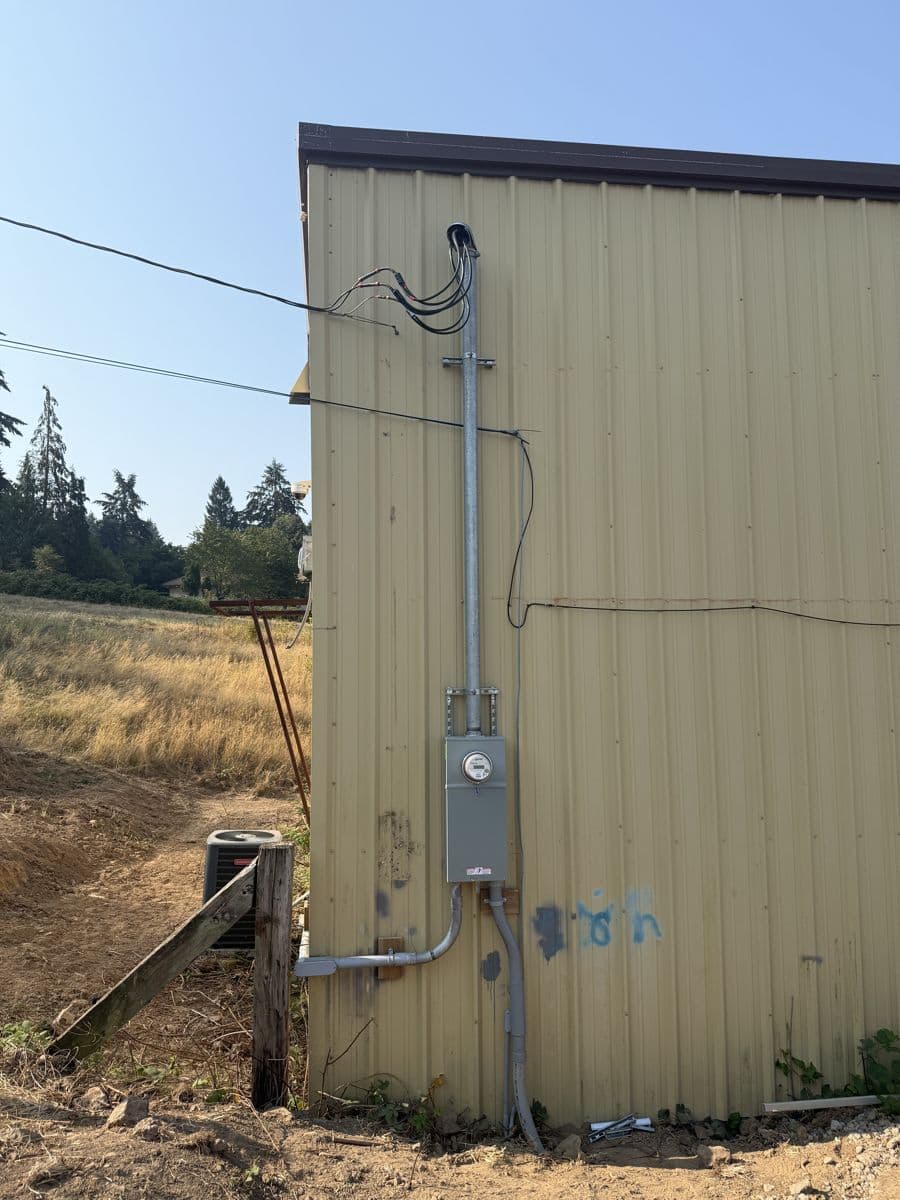
We pull the permit, and the work is inspected before the tub is filled and used. If the added load pushes the service past what it can carry, a panel upgrade comes first, and PGE or Pacific Power, depending on your address, reconnects the house. If a previous owner wired the spa circuit without GFCI protection, we bring it up to today's protection rather than leave it as it is.